
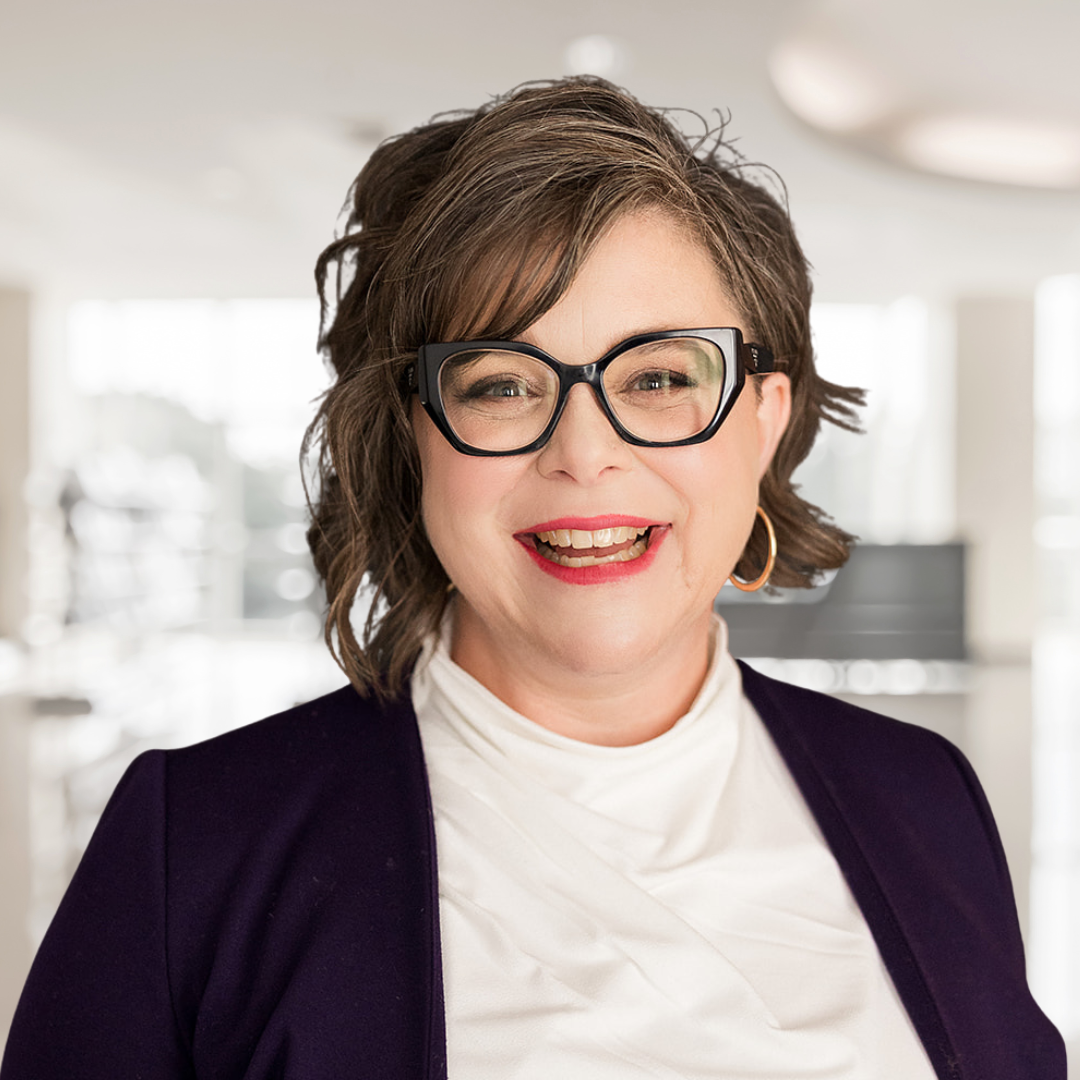
Sheena Howard didn’t just start a clinic—she sparked a movement. What began in her bathtub with a refusal to wait for permission has grown into Canada’s only nurse-owned and operated full-service mental health clinic, challenging a healthcare system that too often sidelines nurses and the communities they serve.
As Founder of Acceptance Clinic and BizNurse Savvy, Sheena is reshaping what leadership looks like in healthcare and entrepreneurship. Her model of care is radically inclusive, whole-person, and trauma-informed—proof that nurses can design systems that deliver both compassion and results. At the same time, through BizNurse Savvy, she’s helping nurses across the country claim their power, launch businesses, and stay in healthcare on their own terms.
In this interview, Sheena reflects on what it takes to bet on yourself, why nurse-led innovation is changing outcomes for patients and systems, and how building your own table can create a healthier future for everyone.
You launched your private practice from your bathtub, and now lead Canada’s only nurse-owned and operated mental health clinic. What gave you the courage to bet on yourself in a system that doesn’t always support women entrepreneurs?
I didn’t wake up courageous. I learned to bet on myself because I’ve always been an outsider. I’m queer, hearing-impaired, and neurodivergent. I’ve been called too loud, too outspoken, too much. Being dismissed and labelled for my differences taught me early on that if I wanted to make a change or get anywhere, I couldn’t wait for permission. I had to build the table I wasn’t invited to, and I felt comfortable sitting at it.
Launching from my bathtub wasn’t a branding moment; it was survival and conviction. The system wasn’t designed for people like me, or for the folks we serve. It routinely sidelines women and underestimates nursing leadership. So I wired my nervous system to turn “you can’t” into “just watch me.” That edge, the grit, the outsider energy, has become my compass. It keeps me close to my values, agile in the face of uncertainty, and steadfast in my commitment to dignity and access.
Leading a nurse-owned and operated mental health clinic is the outcome of that practice. Betting on myself isn’t bravado. It’s a trauma-informed, community-informed strategy. When you’re told you don’t belong, you learn to belong to yourself, and then you build places where others can, too.
How did your experiences in healthcare shape the inclusive, whole-person model behind Acceptance Clinic? What did you know had to change?
Working in public health and primary care taught me two things: people are not problems to fix, and symptoms are often the nervous system’s best attempt to cope. I watched short appointments, rigid protocols, and a “be compliant or be labelled” culture, leaving folks feeling unseen. Nursing trained me to start with relationship, context, and safety. The system often did the opposite.
Acceptance was built as a correction to that. Our model is nurse-led and whole-person: relational first, evidence-informed, and deeply affirming. We slow down, co-design care, and centre what actually improves life, capacity, connection, sleep, purpose, rather than chasing checkboxes. We integrate a social determinants lens, harm reduction, and nervous system education so people can understand why they feel what they feel and practise skills that honour their lived reality.
What had to change was moving from pathologizing difference to contextualizing experience and building capacity; from gatekeeping and hierarchy to collaboration, consent, and clear options at every step; from productivity targets to presence and outcomes that matter to the client’s daily life; from “fix the person” to addressing the conditions around them and advocating when needed; and from neutral language to explicitly affirming, trauma-aware care that reduces shame.
I didn’t set out to create another clinic. I wanted a place to work where people and nurses could exhale, be met as whole humans, and leave with practical tools that work in the real world. That’s the heart of Acceptance.
You’re helping nurses not just stay in healthcare, but stay on their own terms. What does nurse-led innovation unlock for patients, for systems, and for the nurses themselves?
Nurse-led innovation unlocks what healthcare desperately needs: care that’s clinically sound, emotionally attuned, and designed for real life.
For patients, it means better access and better outcomes. Nurses build services that are relational, trauma-informed, and rooted in trust. Nurse-led innovations mean quick action, steady follow-through, safe transition and healthier lives with fewer hospital returns.
For healthcare systems, it delivers both relief and results. Nurses identify inefficiencies such as missed follow-ups, duplicated services, and preventable hospitalizations because we’ve experienced them firsthand. When we innovate, we design solutions that are more compassionate and more cost-effective, generating financial savings through earlier intervention, right-sized care, and fewer avoidable admissions.
And for nurses themselves, innovation is a reclamation. It’s a way to stay in healthcare without sacrificing our health. It offers autonomy, creativity, and the chance to lead with values, not just protocols. We’re not leaving the system; we’re reshaping it from the edges, where care actually happens.
Burnout is so prevalent in healthcare. How does entrepreneurship help nurses reclaim their purpose, power, and well-being?
Entrepreneurship enables nurses to transform moral distress into moral agency. Instead of working within systems that rush care and constrain our approach, we design models that honour our values and are trauma-informed, culturally safe, and prevention-focused. Choosing our niche reconnects us to purpose: we solve the exact gaps we’ve witnessed at the bedside and in the community.
It also restores power. As owners, we set caseload caps, appointment lengths, and eligibility criteria. We build collaborative teams and say no when a service isn’t safe or aligned with our values. That autonomy reduces moral injury and creates room for the relational work that actually moves outcomes.
And it’s not only services. Nurse entrepreneurs are developing tech and tangible products that eliminate friction where care occurs: trauma-informed intake and triage apps, remote-monitoring pathways for chronic diseases, culturally safe education platforms, documentation and workflow tools that reduce clicks, and practical clinical products, ranging from wound-care kits to lactation support. Designed from front-line insight, these solutions fit real life, scale what works, and free up time for care.
Crucially, entrepreneurship supports well-being by design. We can structure four-day weeks, seasonally lighter schedules, virtual days, and administrative systems that protect deep work time. Policies like wait-list triage, nurse-led group visits, and same-day access, along with shared care plans, keep care high-touch without being high-burnout. Diversified revenue with clinics plus courses, consulting, or retreats, digital tools and products eases financial strain so rest isn’t a luxury, it’s a practice.
In short, as nurse entrepreneurs, we reclaim the pace, the principles, and the possibilities of our profession, which allows us to choose to remain in healthcare on our own terms.
You’ve said nurses don’t need to wait for a seat at the table, they can build their own. What future are you working toward for nurse-led care and business?
I’m working toward a future where nurse-led care and nurse business ownership are the norm, not the exception, where nurses build the tables themselves: clinics, private practices, technology, and products designed from bedside wisdom and community needs. In that future, patients receive care that’s relational, trauma-informed, and culturally safe, and they get it earlier. Systems see fewer preventable admissions and smoother transitions. Nurses have autonomy: safe caseloads, values-aligned policies, and workplaces that protect their well-being.
I also know what it really takes to step toward that future. These nurses are supporting their families. They have been told that the pension, benefits, and steady hours are too valuable to leave, and they have been advised not to risk providing for their family. Nurses are scared, and that fear is rational. What changes everything is having another nurse who believes in their vision, has done it, and knows it can be done. That’s why I’m building a pipeline, not just one-off wins, with mentorship, training, and a peer community, from idea to launch to scale. We follow a safety-to-sovereignty path: side-hustle pilots, part-time transitions, a clear financial runway, referral partnerships, and values-aligned policies that make the model sustainable.
Getting there also means going beyond services to nurse-built tech and products, including intake and triage apps, remote-monitoring pathways, education platforms, workflow tools, and practical clinical kits, all tested in real-world practice and ready to scale. We pair data with dignity, measuring outcomes and costs without losing the human heart of care. We advocate for fair compensation and contracts to ensure that prevention, group visits, and virtual models are viable options. We work in partnership with primary care, public health, and community organizations, with many local tables. This is the future I’m building with BizNurse Savvy: nurses mentoring nurses, a community that can catch them when they’re ready to leap and help them launch, grow, and scale faster and with less risk. In my opinion, our communities become healthier when nurses lead in healthcare and business.