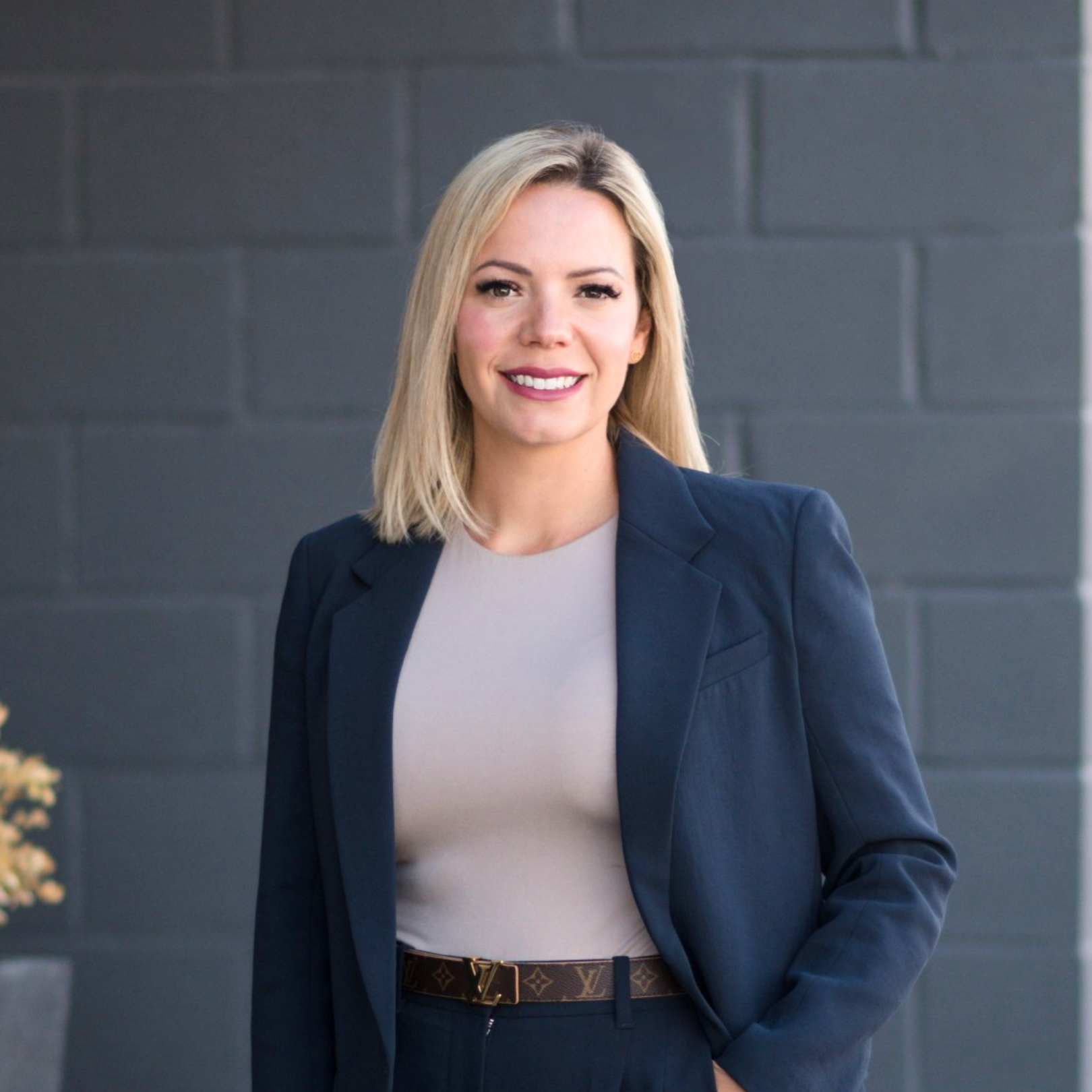
Dana Blaquiere Norkum didn’t just inherit a business: she transformed an entire industry’s understanding of what leadership can look like. When she stepped into NPLH Drilling after her father’s passing in 2014, she brought something the mining sector had never seen: a registered nurse’s instinct for crisis management, empathy, and putting people first, even in the hardest of industries.
Now, under Dana’s leadership, NPLH has grown into a 250-person operation with 40+ drills across Northern Ontario. It’s become a model for intentional Indigenous partnerships and creating genuine opportunities for women in the skilled trades. As a member of the Economic Growth Council of Canada, Dana represents a new generation of Canadian leaders who refuse to accept that resource-based communities must choose between economic success and social progress.
And through her strategic, people-focused approach, Dana is proving that the future of Northern Ontario doesn’t have to mean young people leaving to find opportunity elsewhere. Instead, she’s building a vision where innovation, inclusivity, and economic strength can coexist, creating a legacy that her four children and an entire generation can build upon.
In this interview, Dana reflects on leveraging healthcare skills in heavy industry, turning inclusion into competitive advantage, and the future she’s working toward for Northern Ontario and beyond.
1. You went from a Bachelor of Science in Nursing to leading a 250-person drilling company with 40+ drills across Northern Ontario. When you stepped into NPLH Drilling after your father’s passing in 2014, what transferable skills from healthcare proved most valuable in rebuilding a business during an industry downturn?
Since 2006, I have been involved with NPLH Drilling. After my father’s passing the most valuable skills, I brought from nursing were criticalthinking, crisis management, and empathy. Healthcare teaches you to make decisions under pressure, prioritize safety, and care deeply about people. Those same principles guided me through an industry downturn focusing on the well-being of our team and making strategic choices that kept the business afloat. Beyond nursing, I grew up on a farm, where I learned the meaning of hard work early on. My mom was a hard worker too, and she instilled in me resilience, perseverance, and the ability to roll up my sleeves when things get tough. Those lessons have been just as important as any formal education.
2. You’ve positioned NPLH as a leader in Indigenous partnerships and creating opportunities for women in the skilled trades, two areas where the mining sector has historically struggled. What does intentional inclusion actually look like in practice, and how has it become a competitive advantage for your company?
For us, intentional inclusion means building relationships, listening, and creating pathways for participation. With Indigenous partnerships, it’s about respect and shared benefit. We’re not only business partners; we’re friends. Our partnerships are built on trust, and that trust has opened doors to opportunities that go beyond contracts. For women in skilled trades, it’s mentorship, training, and a culture where they feel valued that are the most important. These efforts have strengthened our reputation and created a competitive advantage because clients and communities know we operate with integrity and inclusivity at the core.
3. Northern Ontario faces unique economic challenges, yet you’re serving on the Economic Growth Council of Canada while building one of the region’s premier drilling operations. How do you balance being an advocate for your region’s potential with the realities of operating in a resource-dependent economy?
Northern Ontario has incredible potential, but resource dependency brings volatility. I balance advocacy with realism by diversifying our services, investing in people, and staying adaptable. Serving on the Economic Growth Council and other boards allows me to champion long-term strategies for the region while building friendships and connections that link to different industries. These relationships are critical as they create opportunities for collaboration that can lead to long-term success for our communities. At NPLH, we focus on operational excellence and community impact, ensuring we’re part of that bigger picture.
4. You’ve said your leadership approach is “strategic, people-focused, and community-driven,” qualities that aren’t always associated with heavy industry. How are you and other women leaders changing what success looks like in traditionally male-dominated sectors?
Women leaders in heavy industry are proving that success isn’t just about output however, it’s about culture, sustainability, and people. My approach is about being strategic, people-focused, and community-driven. We’re showing that empathy and strength can coexist, and that collaboration often outperforms competition. It’s humbling to see more women stepping into these spaces and redefining leadership for the next generation something I want for my girls.
5. As a mother of four running a major operation while serving on national councils and investment boards, you’re modelling a new vision of Canadian leadership. What future are you working toward for Northern Ontario, and what do you want the next generation, including your own children, to see as possible in this region?
I want Northern Ontario to be seen as a region of innovation, opportunity, and inclusivity. For my children, I want them to stay here in the North, champion the incredible resources we have, and continue running the businesses my husband and I have built. My vision is a future where resource-based economies are sustainable; partnerships are genuine, and young people believe they don’t have to leave the north to succeed. I want the next generation to see that leadership can look different, and that they can build a life and legacy right here.