By Sarah Walker
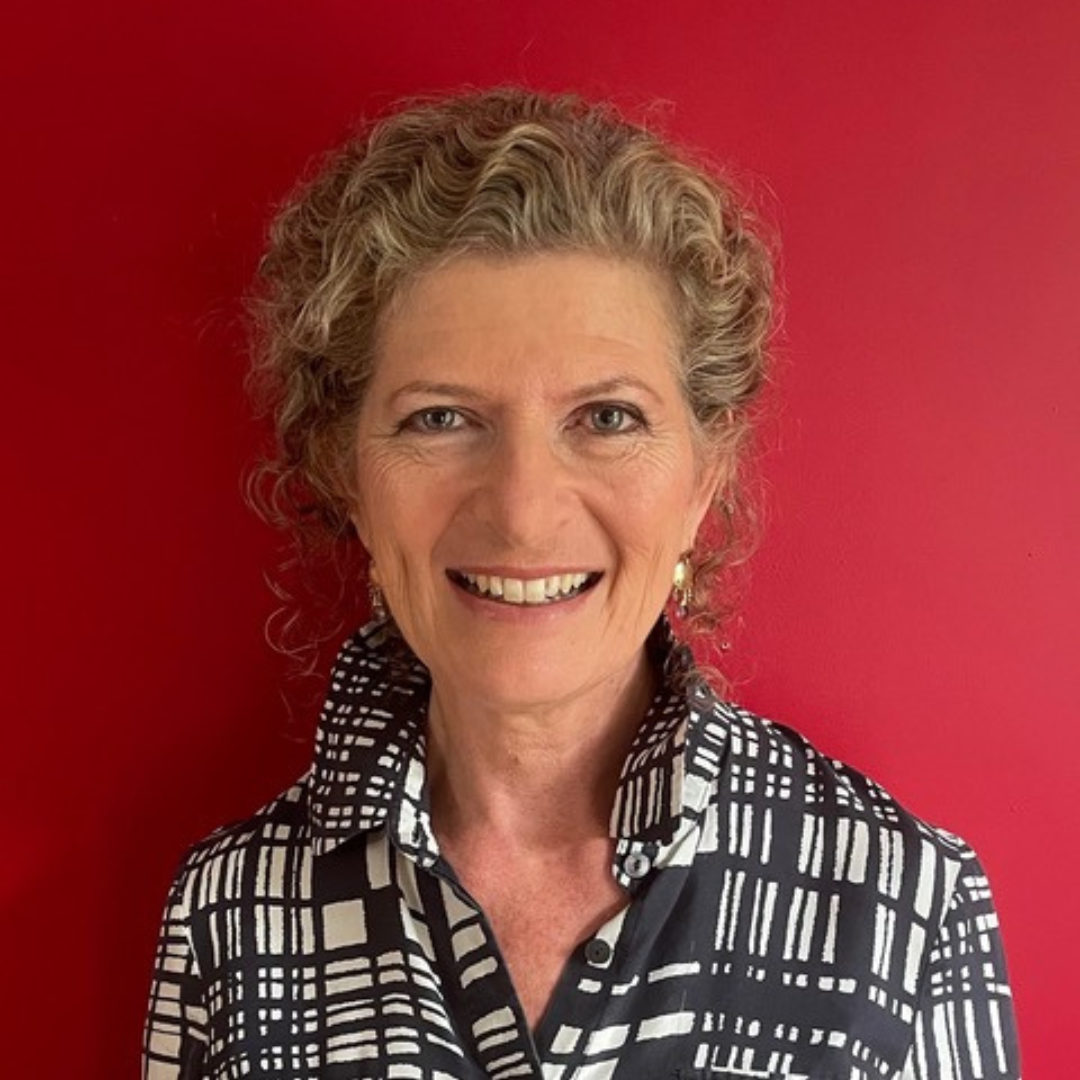
During her much buzzed about TED talk in 2024, Mary Ann Sieghart talked about something that perfectly captures the challenge women face in professional settings every single day.
At a conference a few years earlier, a man asked about her work. She methodically outlined her impressive portfolio: political columnist for The Independent, BBC radio producer, think tank chair, commercial board director, Tate Modern council member, and content board member at Ofcom, Britain’s broadcasting regulator.
The response? “Wow, you’re a busy little girl.” At the time, she was 50-years-old, and leading some of the most influential conversations in British media and policy. Yet in that single phrase, her authority evaporated.
It’s something Mary Ann has come to call “The Authority Gap”: the persistent credibility divide that causes women to be taken less seriously than men, regardless of their expertise or accomplishments. It’s something she’s spent years documenting. Her goal? To get everyone to see how subtle, often unconscious, biases continue to undermine women’s authority in every professional setting.
The evidence of the divide is undeniable
The authority gap manifests in everyday workplace interactions that many women recognize immediately.
According to research cited by Mary Ann, men have six times more influence in group discussions than women, and women are twice as likely to report having to provide evidence of their competence. Even at the highest levels of professional achievement, the gap persists. Mary Ann’s research shows that female justices on the U.S. Supreme Court get interrupted three times more than their male colleagues, with 96 per cent of those interruptions coming from men.
“We still assume a man knows what he’s talking about until he proves otherwise,” Mary Ann explains. “While for a woman, it’s all too often the other way round.”
This dynamic shows up in meetings where women’s ideas are ignored until repeated by men, in performance reviews where confident women are labelled “aggressive” while assertive men are praised, and in hiring data showing that equally qualified women are 30 per cent less likely to receive a callback.
The impossible tightrope women walk
The authority gap forces women leaders to walk an impossible tightrope. Assert yourself confidently and risk being labelled difficult or unlikable. Hold back to maintain likability and watch your competence questioned. “If you’re not assertive enough, you get rolled over,” Mary Ann notes. “If you are assertive enough, people don’t like you and you become abrasive and strident and bossy.”
This double standard shows up in performance reviews, where research indicates women receive feedback using terms like “abrasive,” “bossy” and “strident,” while men rarely face these characterizations. The same confidence that propels men forward becomes a liability for women, who must constantly calibrate their behaviour to thread an impossibly narrow needle between competence and likability.
The path forward requires collective action
The problem is clear, but it is not insurmountable. Through her work, Mary Ann offers a roadmap for change that extends beyond individual women “leaning in.” Organizations, she says, must examine their hiring and promotion practices, recognizing that studies cited in her work show 70 per cent of men rate male candidates more highly than equally qualified women for achieving identical goals. Adding even one additional woman to a shortlist makes the odds of hiring a woman 79 times greater, signalling that women are viable candidates rather than token inclusions.
At the individual level, the solution requires awareness and active intervention. “We need to notice when our brains are trying to trick us,” Mary Ann says. That means actively affirming women’s contributions in meetings, interrupting the interrupters, and ensuring credit goes where it’s due. It means asking ourselves whether we would have the same reaction if the authoritative person before us were male rather than female.
When everyone wins
The stakes extend beyond fairness to women. Organizations that fail to leverage women’s expertise are, as former Irish President Mary McAleese told Mary Ann, operating “on one wing.” What’s more, countries with greater gender equality report higher levels of happiness and wellbeing across all demographics. In more egalitarian relationships, not only are women and children happier and healthier, but men report higher life satisfaction, better health outcomes, and stronger relationships.
“Narrowing the gap isn’t like a seesaw,” Mary Ann emphasizes. “As women rise, men don’t automatically fall. In almost every aspect of life, greater gender equality makes everyone happier, healthier, and more satisfied.”
The authority gap isn’t a women’s issue; it’s a barrier to organizational excellence, innovation, and collective flourishing. Closing it demands we treat expertise not as a gendered trait, but as a human capability deserving of equal respect.
This story is presented in partnership with TENA, a brand that champions candid conversations about women’s health, visibility, and equity. To learn more about how to help women thrive, visit tena.ca.
Interested in diving deeper? Watch our LinkedIn Live session with Mary Ann here.