2025…
The Weight We Don’t See: Rethinking Invisible Labour in the Workplace
Invisible labour shows up in every workplace. The real question is: are we willing to see it — and do something about it?
By WOI+ Editorial Team
What changes when we look past the surface?
If you could see behind the scenes of your colleague’s week — the hours spent preparing that presentation, the internal calculus of emotional restraint in back-to-back meetings, the extra effort it took to keep a team motivated — would you understand their work differently? Would you value it more?
Invisible labour is exactly that: work that’s critical but rarely acknowledged. It shows up everywhere — in homes, in boardrooms, in inboxes. And too often, it goes unnoticed.
The term was first introduced by sociologist Arlene Daniels in 1987 to describe unpaid work that slips below the radar of formal recognition — and compensation. It was further expanded by Arlie Hochschild in 1989 through her “second shift” framework, highlighting the domestic workload that disproportionately falls on women after paid work ends for the day. But the second shift didn’t stop at the front door. It followed many into the workplace.
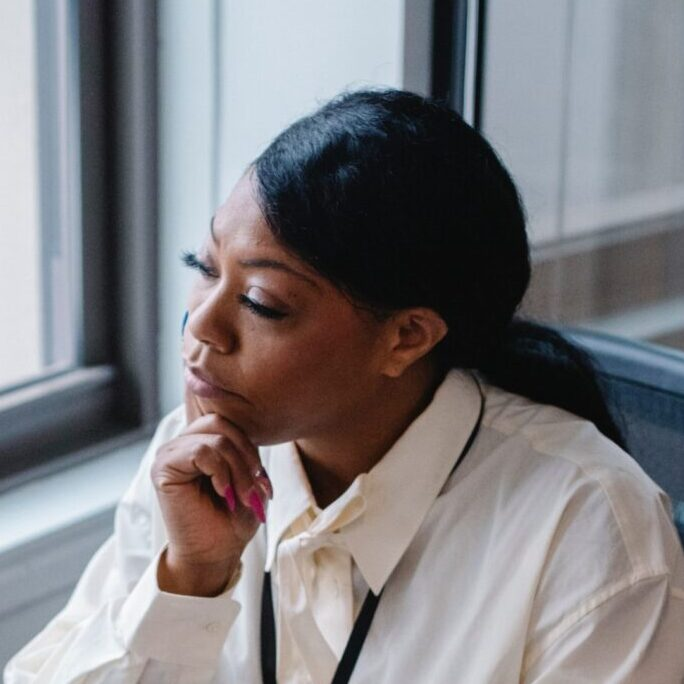
Today, invisible labour takes many forms. It might look like an employee absorbing microaggressions without acknowledgment. Or the only person of colour on a team being informally expected to explain cultural nuance, mediate tense conversations, or represent the company’s diversity efforts. It’s often unasked for. But it’s rarely unneeded. And almost never recognized.
The cumulative impact is real: burnout, emotional fatigue, a quiet sense of resentment. According to the United Nations, women globally shoulder three-quarters of all unpaid work. That imbalance has economic consequences. The International Monetary Fund has noted that increasing women’s economic participation grows GDP, reduces income inequality, and improves national resilience. The same logic extends to other marginalized groups whose unacknowledged contributions prop up much of how organizations operate — often without acknowledgment, support, or structural relief.
So what do we do with this knowledge?
We start by surfacing what’s been invisible. Not just with policy, but with awareness. Begin by asking questions: What kind of labour is being done here, and by whom? Where is the emotional effort falling? Who’s doing work that’s not reflected in job titles or performance reviews?
From there, it’s about action. That might mean redistributing assignments more thoughtfully. Building formal mechanisms for recognition. Giving language to effort that’s previously gone unnamed. Or simply taking the time to ask: What would support look like here?
Creating equity isn’t only about restructuring systems. It’s about attuning ourselves to the realities within them. Acknowledging the weight others carry — especially when it’s not visible — is part of the work. So is sharing the load.
Most Popular
2025…
Gallery: 2025 RBC Canadian Women Entrepreneur Awards Media Wall
Posted by
Women of Influence
Few…
Five Questions With: Ching Tien, Founder and President, Ching Tien Foundation for Women and 2018 RBC Canadian Women Entrepreneur Award Finalist
Posted by
Community Manager
Pour…
Women of Influence+ Announces Finalists for 2025 RBC Canadian Women Entrepreneur Awards
Posted by
Community Manager
By…
Thayde Olarte, SVP at Scotiabank, on Building a Career with Purpose and Precision
Posted by
Community Manager
Nancy…
Meet Nancy Wingham, RBC Canadian Women Entrepreneur Awards Micro-Business Finalist
Posted by
Community Manager
You Might Like
Related Posts